



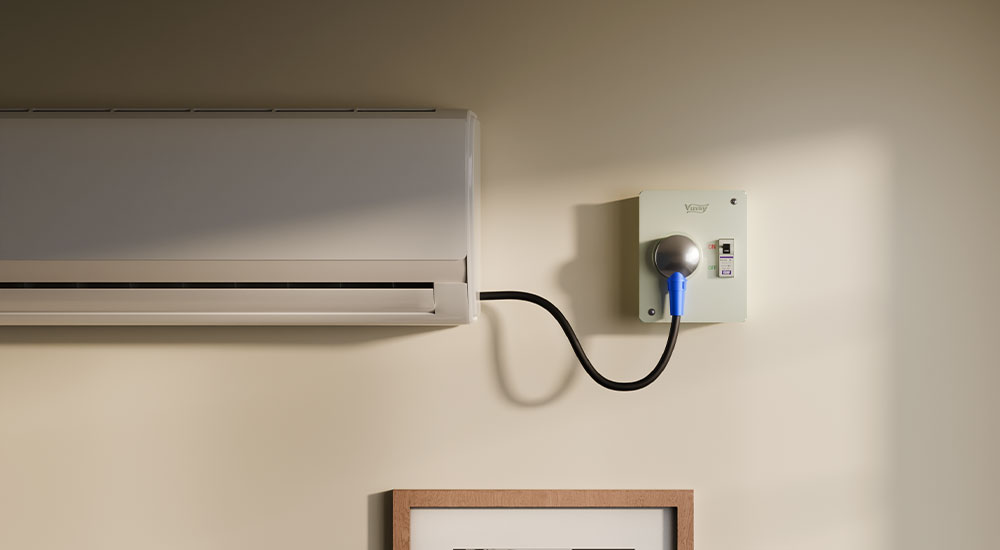
Ensuring Unparalleled Quality & Safety

Engineered for superior safety and performance, this range reflects our commitment to uncompromising quality—designed
to meet modern installation and design needs with exceptional value.
switchgear
Protection at The Heart
Of Every Connection.
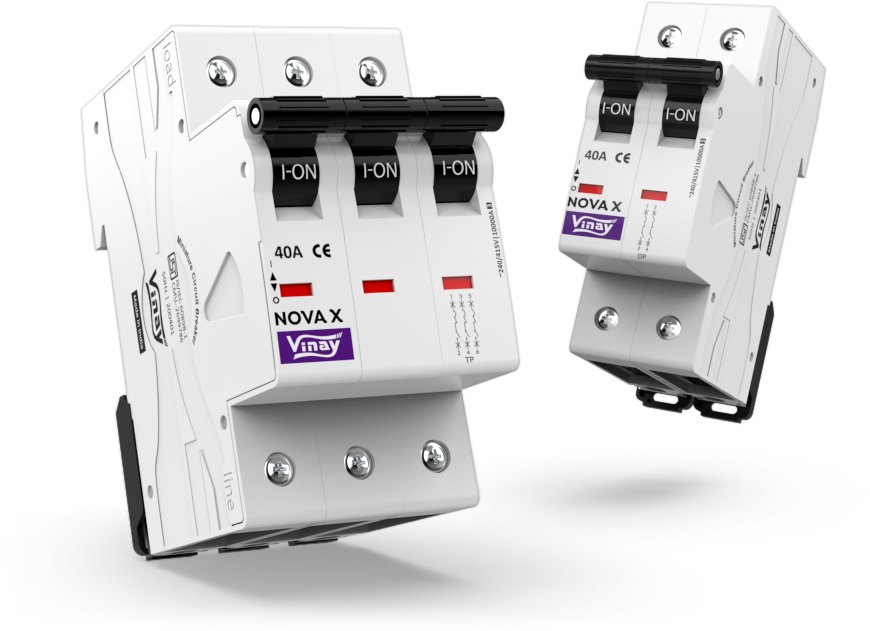
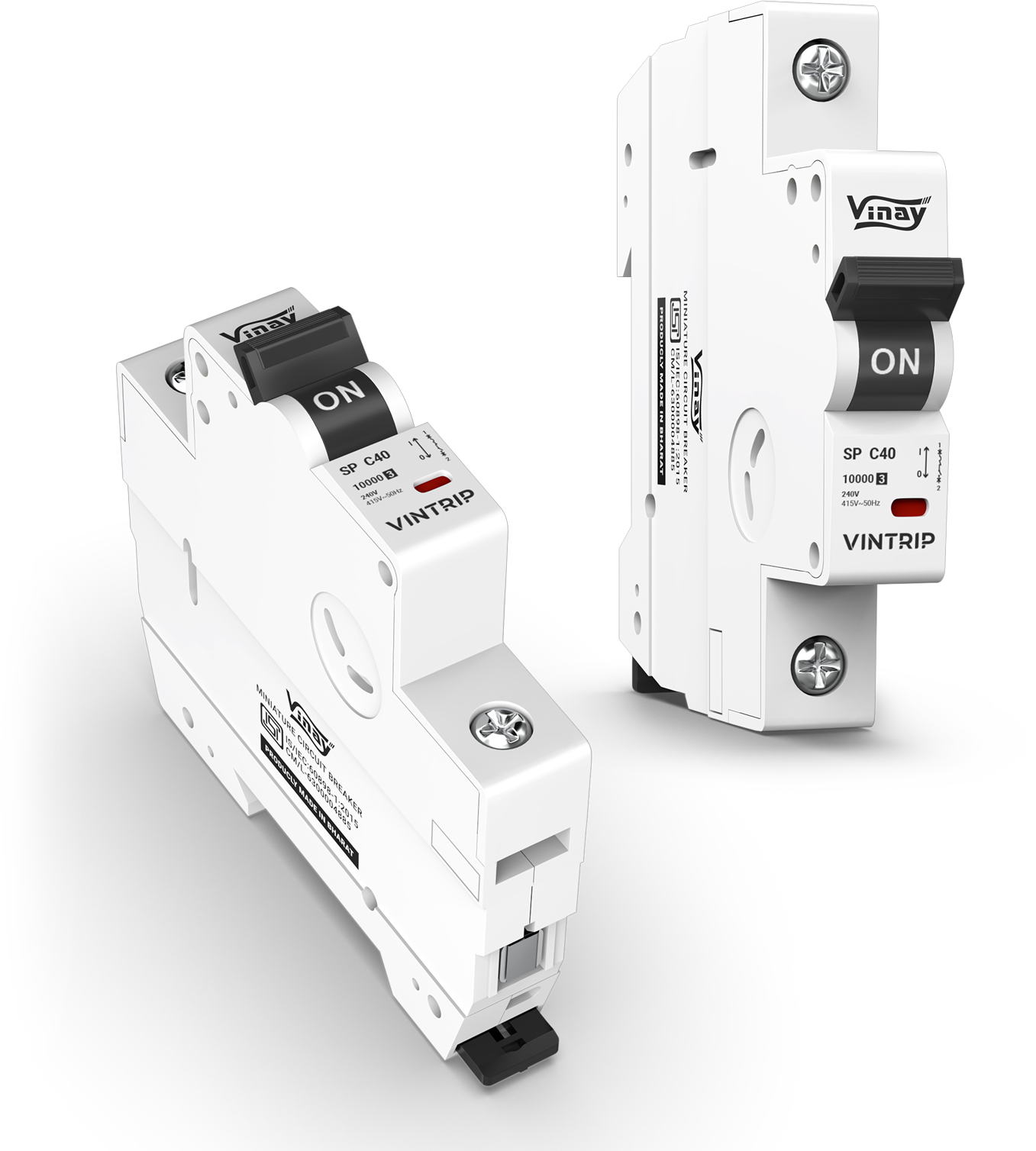
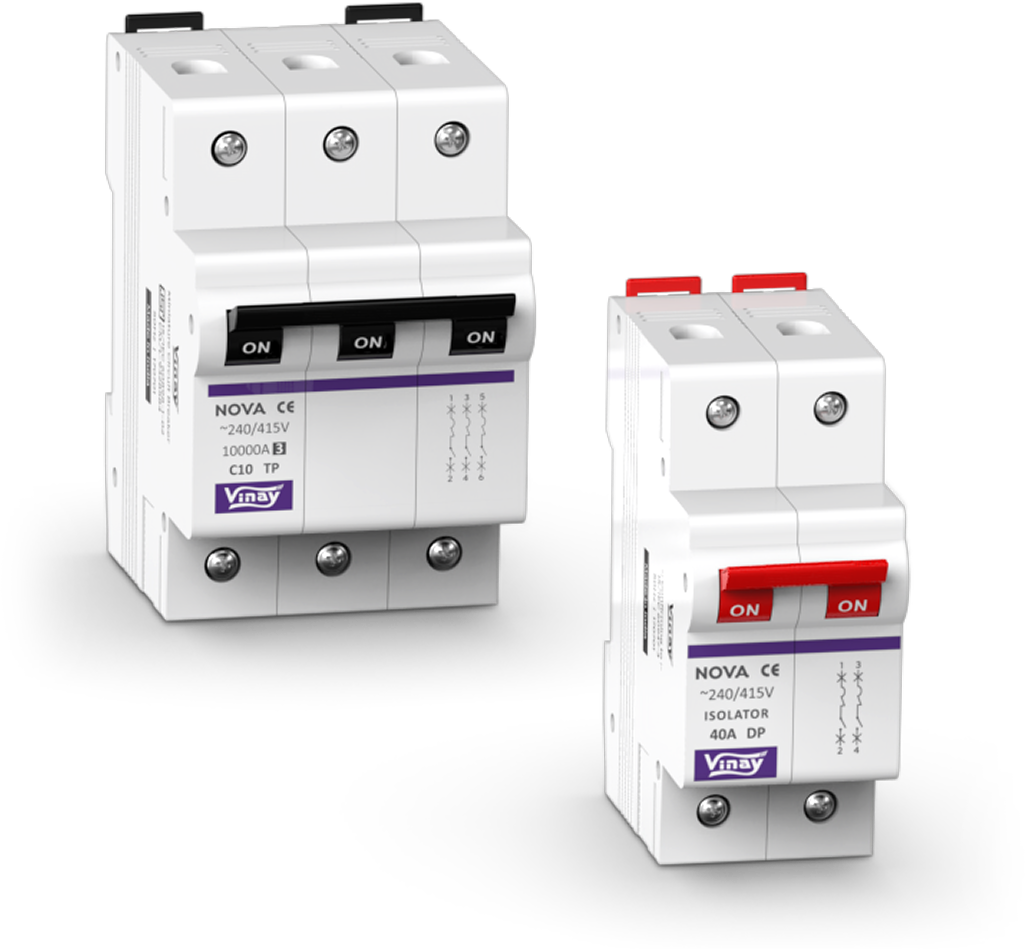
Built for demanding environments, our switchgear ensures reliable protection through advanced arc fault containment and intelligent fault detection, minimizing risk and safeguarding every connection.
Tough ABS material
Trip free mechanism
ETP grade copper plates with silver contacts and bi stable DIN Clips
Switchgear
Switchgear
Your Spaces Made Safer.
Every space deserves to feel secure. Designed for modern living and working environments, our solutions elevate safety across every space while seamlessly integrating with contemporary design.

Uncompromising Protection for Modern Spaces

Our range of switchgear is designed to safeguard spaces with uncompromising protection and reliability. Engineered to manage electrical flow safely and efficiently, these solutions help prevent faults, overloads, and risks - ensuring peace of mind across residential, commercial, and industrial environments.
Distribution Board
Distribution Board
Plug & Socket Box
FAQ's

What is switchgear and why is it critical for electrical safety?

Switchgear refers to protective electrical devices that control, protect, and isolate electrical circuits. It is critical because it acts as the first line of defence against overloads, short circuits, leakage currents, and electrical faults, helping prevent fires, equipment damage, and serious injury.

What are MCBs, RCCBs, and Isolators, and how are they different from each other?

An MCB protects circuits from overloads and short circuits, an RCCB protects people from electric shock by detecting leakage currents, and an Isolator is used to manually disconnect power for maintenance or safety. Each serves a distinct and non-interchangeable safety function.

Does switchgear protect people, appliances, or both?

Switchgear protects both people and appliances. MCBs primarily protect wiring and equipment, while RCCBs are designed to protect human life by cutting off supply during leakage faults.

Why is switchgear considered the most important safety component in an electrical system?

Switchgear operates continuously in the background and responds instantly during fault conditions. Without properly selected and installed switchgear, even high-quality wiring and appliances remain vulnerable to serious electrical hazards.

Is switchgear mandatory in modern residential and commercial electrical installations?

Yes. Modern electrical installations require protective switchgear to meet safety norms and ensure safe operation of electrical circuits in residential, commercial, and institutional environments.

What switchgear products are offered by Vinay Electrical Solutions?

Vinay Electrical Solutions offers a range of switchgear products including MCBs, RCCBs, Isolators, RCBOs, and compatible distribution boards designed for residential and commercial applications.

What is an MCB and what role does it play in an electrical circuit?

An MCB (Miniature Circuit Breaker) automatically disconnects power when excess current flows due to overload or short circuit, preventing overheating, wiring damage, and fire risks.

What is an RCCB and how is it different from an MCB?

An RCCB (Residual Current Circuit Breaker) detects leakage current flowing to earth and disconnects supply to prevent electric shock. Unlike an MCB, it does not protect against overload or short circuit.

What is an Isolator and when should it be used?

An Isolator is a manually operated switch used to completely disconnect a circuit for maintenance or emergency isolation. It does not provide automatic fault protection.

What is an RCBO and how does it differ from using an MCB and RCCB separately?

An RCBO combines the functions of an MCB and RCCB into a single device, providing both overcurrent and leakage protection for individual circuits.

What ratings and configurations are available for MCBs and RCCBs?

MCBs and RCCBs are available in multiple current ratings, pole configurations, and sensitivity options. Selection should be based on circuit load, wiring capacity, and application requirements.

What types of distribution boards and enclosures are available for switchgear installation?

Distribution boards and enclosures are available in various sizes and configurations to safely house switchgear, enabling organised circuit segregation and ease of maintenance.

How does an MCB work and what causes it to trip?

An MCB trips when current exceeds safe limits due to overload or short circuit. It uses thermal and magnetic mechanisms to interrupt supply and protect the circuit.

What do MCB ratings and trip curves (B, C, D) mean?

MCB ratings define the maximum current a circuit can safely carry. Trip curves indicate how quickly the MCB responds to fault currents, with different curves suited for residential, commercial, or high-inrush applications.

Why did the MCB not trip during an overload or fault condition?

In many cases, the installed MCB rating is higher than required. This increases the load tolerance beyond safe limits, preventing tripping and allowing excessive current to damage wiring or appliances.

How does installing an MCB with a higher rating than required affect safety?

A higher-rated MCB compromises safety by allowing excessive current flow. While the MCB may remain intact, connected appliances or wiring can overheat, fail, or catch fire.

Why do MCBs trip frequently in some installations?

Frequent tripping often results from under-gauged wiring, excessive connected load, poor wiring joints, or unstable electrical supply rather than a faulty MCB.

How does wire gauge and cable quality affect MCB and RCCB performance?

Undersized or poor-quality wiring heats up faster and may cause nuisance tripping or unsafe operation. Proper wire gauge selection is essential for correct switchgear performance.

What is selectivity or discrimination in switchgear systems?

Selectivity ensures that only the faulty circuit trips while the rest of the system remains operational. This requires coordinated selection of switchgear ratings and characteristics.

How does the overall electrical environment impact switchgear performance?

Voltage stability, earthing quality, wiring condition, and load distribution all influence how effectively switchgear performs its protective function.

Where should MCBs, RCCBs, and Isolators be installed in a residential setup?

These devices should be installed within a properly designed distribution board at the point where circuits branch out, ensuring effective circuit-wise protection.

How should the correct MCB rating be selected for different circuits?

MCB rating selection should be based on connected load, appliance characteristics, and wire gauge, not merely appliance wattage.

How should RCCBs be selected based on application and safety requirements?

RCCBs should be selected based on sensitivity and application area, particularly where human contact with electrical equipment is likely.

Why is proper earthing essential for RCCB operation?

RCCBs rely on proper earthing to detect leakage currents. Without effective earthing, RCCBs may not function correctly during fault conditions.

Can multiple brands of MCBs and RCCBs be used within the same distribution board?

While technically possible, using multiple brands can result in inconsistent tripping characteristics and mechanical differences, potentially affecting system reliability.

Why is using switchgear from the same brand often recommended?

Using the same brand ensures uniform load characteristics, mechanical compatibility, and predictable operation across the distribution board.

Are different switchgear requirements applicable for outdoor or wet-area circuits?

Yes. Circuits exposed to moisture or outdoor conditions require additional protection and careful selection of switchgear and enclosures.

Is installation by a certified electrician mandatory for switchgear products?

Yes. Vinay Electrical Solutions strongly recommends that all switchgear products—regardless of brand—be installed only by a certified and qualified electrician to ensure correct rating selection, wiring integrity, and electrical safety.

Why is professional installation critical for correct switchgear performance?

Switchgear performance depends on correct wiring, load calculation, earthing, and coordination. Errors in installation can nullify protective functions.

What are the risks of incorrect switchgear installation or wrong rating selection?

Incorrect installation can result in electric shock, fire hazards, appliance damage, and failure of protective devices during emergencies.

What checks should be performed before commissioning switchgear?

Verification of ratings, wiring connections, earthing continuity, load distribution, and functional testing should be performed before energising circuits.

How does substandard wiring compromise switchgear safety?

Substandard wiring can overheat, degrade insulation, and prevent switchgear from responding correctly during fault conditions.

What warranty is offered on switchgear products?

Switchgear products are covered under warranty as per defined terms and conditions applicable to the specific product category.

From which date does the switchgear warranty period begin?

Warranty is calculated from the date of purchase by the distributor or retailer, as per standard industry practice.

What does the switchgear warranty cover and exclude?

Warranty covers manufacturing defects under normal use. It excludes failures caused by improper installation, wrong rating selection, misuse, or unsuitable electrical conditions.

Does improper installation or incorrect rating selection affect warranty eligibility?

Yes. Any failure resulting from incorrect installation or rating mismatch is not covered under warranty.

How can warranty claims for switchgear products be raised?

Warranty claims must be routed through the authorised dealer or retailer along with a valid purchase invoice.

Are all warranty-related disputes subject to a specific legal jurisdiction?

Yes. All warranty-related disputes are subject exclusively to Mumbai jurisdiction.
Wire-&-Cables